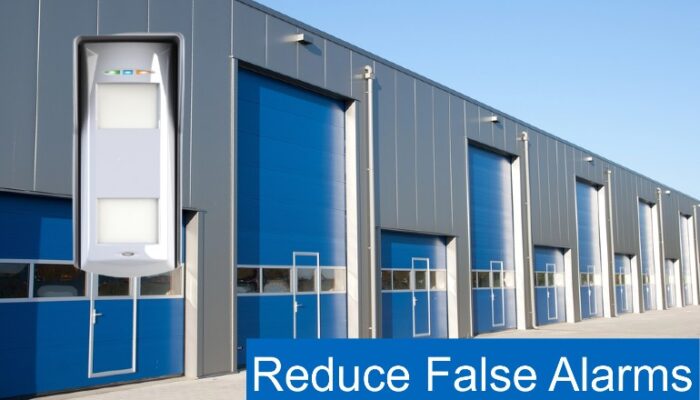
False Alarm Issues Bradford: False alarm activations are a common and costly issue for commercial properties across Bradford. While burglar alarm systems are essential for protecting premises, frequent false alarms can disrupt operations, reduce staff confidence and, in some cases, lead to response delays when genuine incidents occur.
This article explains why false alarms happen in commercial settings, the risks they create, and how businesses in Bradford can reduce unnecessary activations while maintaining effective security.
Why False Alarms Are a Problem for Businesses
A false alarm is more than an inconvenience. Repeated activations can quickly undermine the purpose of a security system.
Common consequences include:
- Staff becoming desensitised to alarm activations
- Disruption to trading or out-of-hours access
- Increased call-out costs or service charges
- Reduced confidence in the alarm system
- Delayed response to genuine intrusions
For Bradford businesses operating warehouses, offices, retail units or mixed-use premises, reliability is critical. An alarm system that triggers unnecessarily can become a liability rather than a safeguard.
Common Causes of False Alarms in Commercial Properties
False alarms are rarely random. In most cases, they are the result of design, equipment or usage issues.
Typical causes include:
- Poorly positioned motion detectors exposed to airflow or heat changes
- Ageing sensors becoming overly sensitive
- Staff unfamiliar with correct arming and disarming procedures
- Changes to premises layout without system adjustments
- Environmental factors such as machinery movement or temperature variation
In busy commercial environments, especially those that have evolved over time, alarm systems often fail to keep pace with how the building is actually used.
How Outdated Alarm Systems Contribute to False Activations
Older alarm systems are particularly prone to false alarms. Sensors degrade over time, control panels may lack modern filtering, and systems may not support zoning or scheduling properly.
In Bradford, many commercial buildings have been extended, subdivided or repurposed. Alarm systems installed before these changes can struggle to distinguish between normal activity and genuine threats.
Without targeted detection and modern control features, false alarms become increasingly likely.
The Role of System Design and Zoning
Effective alarm design is one of the most important factors in reducing false activations.
Zoned alarm systems allow specific areas of a building to be armed or disarmed independently. This is especially useful for businesses with:
- Different operating hours across departments
- Cleaning or maintenance carried out out of hours
- Partial occupancy during evenings or weekends
Proper zoning ensures detectors are only active when they need to be, reducing unnecessary triggers while maintaining protection where it matters most.
Training and Operational Procedures Matter
Even well-designed alarm systems can generate false alarms if staff are not trained correctly.
Common operational issues include:
- Incorrect arming sequences
- Staff entering protected areas during active periods
- Temporary changes not communicated to alarm users
Clear procedures, simple controls and occasional refresher training can significantly reduce accidental activations, particularly in businesses with staff turnover or shift-based working patterns.
When an Alarm System Review Is Advisable
A professional alarm review is often the most effective way to address persistent false alarms.
A review is recommended if:
- False alarms occur regularly
- The system is over 10 years old
- The premises layout has changed
- The alarm feels overly sensitive or unreliable
- Staff lack confidence in using the system
In many cases, adjustments to detector placement, sensitivity settings or zoning can dramatically improve reliability without the need for full replacement.
Improving Reliability Without Compromising Security
Reducing false alarms does not mean weakening security. In fact, a more reliable alarm system is often more effective at deterring and detecting genuine intrusions.
Modern systems focus on accuracy, clarity and ease of use. When alarms activate only when they should, staff respond appropriately and the system retains its credibility.
For Bradford businesses, reliability is just as important as coverage.
Reviewing Your Commercial Alarm System in Bradford
If false alarms are disrupting your business or undermining confidence in your security, a professional assessment can identify the cause and recommend practical improvements.
A properly configured commercial alarm system should support your operations quietly and reliably, providing protection without unnecessary interruptions.